
Table of Contents
Your Complete Guide to Therapeutic Massage for Stress and Tension Relief
Introduction: The Weight You're Carrying
ou feel it in your shoulders first. That familiar tightness that creeps up during a stressful meeting and never quite leaves. Then it spreads—your neck stiffens, your jaw clenches without you realizing it, and by evening, a dull headache has settled behind your eyes.
This is what chronic stress looks like in your body. And if you’re living in South Florida—juggling career demands, family responsibilities, traffic on I-95, and the relentless pace of modern life—you’re probably carrying more tension than you realize.
Here’s what most people don’t understand about stress: It doesn’t just live in your mind. Your body keeps score. Every deadline, every difficult conversation, every sleepless night gets stored in your muscles, your fascia, your nervous system. And it stays there until you actively release it.
That’s where therapeutic massage becomes not just a luxury, but a necessity.
At Kaya Varua Massage, we’ve spent over 17 years helping South Florida residents release the physical burden of stress. Our name captures our philosophy: Kaya means “body” and Varua means “soul”—because true stress relief addresses both. We bring professional massage therapy directly to your home throughout Broward, Miami-Dade, and Palm Beach counties, so you can finally let go without adding another stressful errand to your list.
How Your Body Holds Stress (And Why Massage Works)
The Stress-Tension Connection
When you experience stress—whether it’s a work crisis, financial worry, or family conflict—your body responds physically. Your muscles contract, preparing for action. Your breathing becomes shallow. Blood flow shifts away from your digestive system toward your limbs.
This is your fight-or-flight response, and it was designed to help you survive immediate physical threats. The problem? Your body can’t distinguish between a charging predator and a demanding email. It responds the same way to both.
When stress becomes chronic, these physical responses never fully resolve. Your muscles stay partially contracted. Your nervous system remains on high alert. Over time, this creates:
- Chronic muscle tension especially in the neck, shoulders, and lower back
- Tension headaches from tight muscles in the scalp, face, and neck
- Poor sleep quality because your nervous system can’t fully relax
- Digestive issues from chronic stress hormone exposure
- Weakened immune function as resources are diverted to stress responses
Why Massage Is Uniquely Effective
Therapeutic massage works on multiple levels to interrupt the stress cycle:
Physical release: Skilled pressure and manipulation techniques release contracted muscle fibers, break up adhesions, and restore normal tissue mobility.
Nervous system reset: Touch activates your parasympathetic nervous system—the “rest and digest” mode that counteracts stress responses. Your heart rate slows, blood pressure drops, and your body begins genuine recovery.
Hormone regulation: Therapeutic touch helps your body naturally regulate cortisol while supporting the production of mood-enhancing chemicals that promote feelings of calm and well-being.
Mind-body reconnection: Many people experiencing chronic stress have disconnected from their bodies as a coping mechanism. Massage helps restore awareness and presence.
6 Professional Massage Techniques for Stress Relief
At Kaya Varua Massage, we use a range of evidence-based techniques tailored to your specific stress patterns and physical needs. Here’s how each approach works:
1. Lymphatic Drainage Massage: Detoxification and Calm
What it is: Very gentle, rhythmic movements that follow the pathways of your lymphatic system, promoting fluid movement and waste elimination.
How it relieves stress: Your lymphatic system is closely connected to immune function and inflammation. When you’re stressed, lymphatic flow can become sluggish, contributing to feelings of heaviness, fatigue, and general malaise. Lymphatic drainage massage supports your body’s natural detoxification processes while providing deeply calming sensory input.
Best for: Stress-related fatigue, feeling “heavy” or sluggish, immune support during high-stress periods, post-illness recovery, swelling or water retention.
What to expect: The lightest touch of any massage technique—so light it may surprise you. The gentle, wave-like movements are profoundly relaxing, often inducing a meditative state. Many clients fall asleep during lymphatic drainage sessions.
2. Slimming Massage: Body Confidence and Stress Relief
What it is: A specialized technique combining manual manipulation with targeted pressure to support body contouring goals while promoting overall wellness.
How it relieves stress: Body image concerns are a significant source of stress for many people. Slimming massage addresses this dual challenge by providing physical therapeutic benefits while supporting your body confidence journey. The technique improves circulation and lymphatic function while helping you reconnect positively with your body.
Best for: Those whose stress relates partly to body image concerns, comprehensive wellness approach, combining aesthetic and therapeutic goals.
What to expect: A treatment that addresses both physical tension and aesthetic concerns. The technique is active and stimulating, leaving you feeling energized and more comfortable in your body.
3. Trigger Point Therapy: Targeting Pain at Its Source
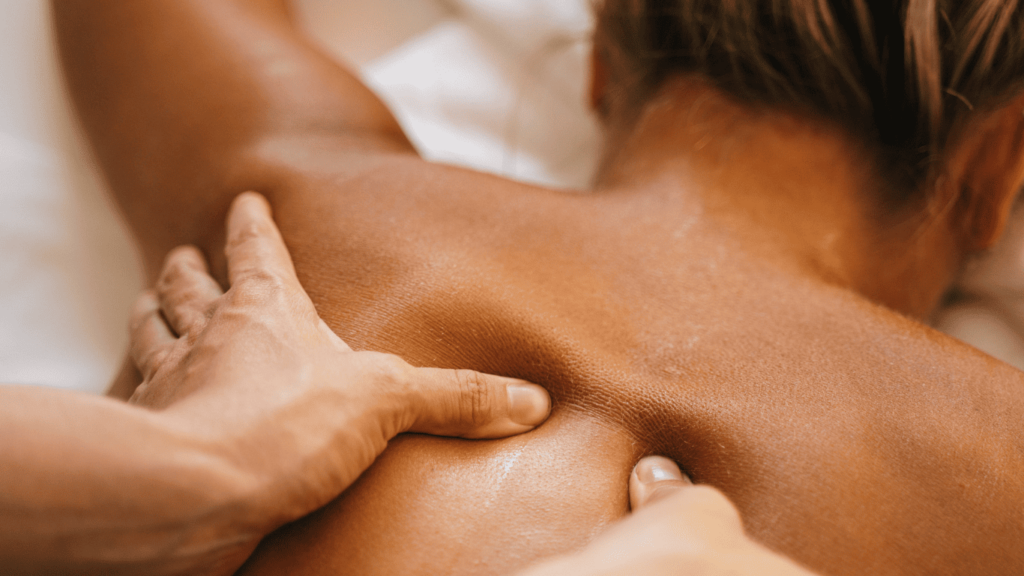
What it is: Focused pressure applied to specific “trigger points”—hyperirritable spots in muscle tissue that cause pain both locally and in referred patterns.
How it relieves stress: Stress often manifests as specific pain points that seem disproportionate to any injury or activity. These trigger points can cause headaches, neck pain, shoulder tension, and back pain that doesn’t respond to general massage. By applying sustained pressure to these points, we can release the contracted tissue and interrupt pain signals.
Best for: Tension headaches, specific pain patterns, jaw tension (TMJ-related stress), shoulder knots, pain that radiates to other areas.
What to expect: Your therapist will locate trigger points through careful palpation, then apply focused pressure for 30-90 seconds until the tissue releases. You may feel a “good hurt” followed by significant relief. The technique is precise rather than general, targeting exactly where you hold stress.
4. Relaxing Massage: The Foundation of Calm
What it is: Long, flowing strokes combined with kneading and circular movements, performed with light to medium pressure.
How it relieves stress: Relaxing massage is specifically designed to activate your relaxation response. The rhythmic, predictable movements signal safety to your nervous system, allowing it to shift out of high-alert mode. This technique improves circulation, helping flush metabolic waste from tense muscles while delivering fresh oxygen and nutrients.
Best for: General stress relief, first-time massage clients, anxiety, sleep issues, overall relaxation.
What to expect: A full-body treatment that leaves you feeling calm, loose, and often pleasantly drowsy. Many clients report their best sleep in weeks following a relaxing massage session.
5. Anti-Cellulite Massage: Circulation and Confidence
What it is: Vigorous techniques including kneading, rolling, and percussion that improve circulation and lymphatic drainage in targeted areas.
How it relieves stress: Like slimming massage, anti-cellulite treatment addresses the intersection of physical wellness and body confidence. The stimulating techniques release endorphins (your body’s natural mood elevators) while improving how you feel about your body—a powerful stress reducer.
Best for: Stress relief combined with aesthetic goals, those who prefer more active/stimulating massage styles, improving circulation and skin texture.
What to expect: More vigorous than relaxation massage, with techniques that stimulate circulation and lymphatic flow. You’ll feel energized afterward, with improved body awareness and confidence.
6. Deep Tissue Massage: Releasing Chronic Tension
What it is: Slow, deliberate strokes with firm pressure that reach deeper muscle layers and connective tissue.
How it relieves stress: When stress becomes chronic, tension doesn’t just live in the surface muscles—it gets locked into deeper tissue layers. Deep tissue massage targets these stubborn areas, breaking up adhesions (bands of rigid tissue) and releasing muscles that have been contracted for months or even years.
Best for: Chronic muscle tension, postural problems from desk work, long-held stress patterns, recovery from intense physical or emotional periods.
What to expect: More intensity than relaxing massage, but not painful when performed by a skilled therapist. You may feel some tenderness during the session in areas of chronic tension. Significant relief often follows within 24-48 hours as tissues continue to release.
Where Stress Hides in Your Body (And How to Release It)
The Neck and Shoulders: Your Stress Dashboard
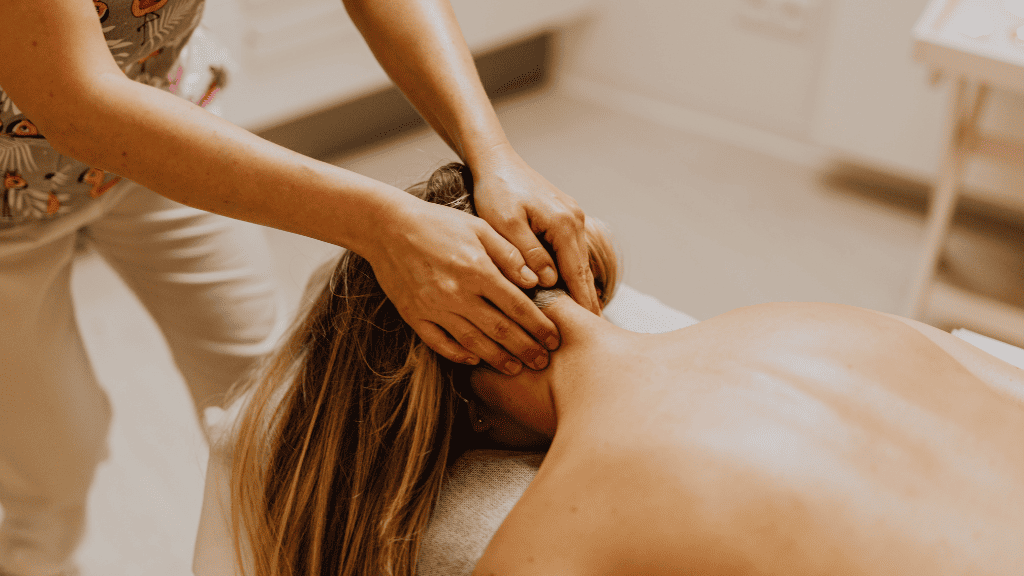
If you work at a desk, drive frequently, or spend time looking at your phone, your neck and shoulders are likely holding significant tension. The upper trapezius muscle—running from your skull down to your shoulders—becomes chronically contracted when you’re stressed, creating that familiar “shoulders up to your ears” feeling.
Signs of neck/shoulder stress: Stiffness when turning your head, headaches that start at the base of your skull, pain that radiates into your arms, difficulty relaxing your shoulders away from your ears.
Best techniques: Swedish massage for general tension, trigger point therapy for specific knots, deep tissue for chronic patterns.
The Jaw and Face: Hidden Tension
Many people clench their jaw unconsciously when stressed—during the day, during sleep, or both. This creates tension in the masseter muscle (one of the strongest muscles in your body) and can contribute to headaches, tooth problems, and facial pain.
Signs of jaw stress: Morning jaw soreness, headaches at your temples, clicking or popping when you open your mouth, tooth sensitivity from clenching, facial tension.
Best techniques: Trigger point therapy for the jaw muscles, Swedish techniques for facial relaxation, overall stress-reduction massage to address the root cause.
The Lower Back: Where Stress Meets Posture
Lower back tension often results from a combination of stress, poor posture, and prolonged sitting. When you’re stressed, you may unconsciously tighten your hip flexors and lower back muscles, creating chronic pain patterns.
Signs of lower back stress: Aching after sitting, stiffness in the morning, pain that worsens with stress, difficulty standing up straight after sitting.
Best techniques: Deep tissue massage for chronic tension, Swedish massage for general relief, trigger point therapy for specific pain patterns.
The Breath: Often Overlooked
Chronic stress affects your breathing muscles—the diaphragm, intercostals (between your ribs), and accessory breathing muscles in your neck and shoulders. Shallow breathing becomes habitual, perpetuating the stress cycle.
Signs of breath-related stress: Frequent sighing, inability to take a satisfying deep breath, chest tightness without cardiac cause, feeling like you can’t get enough air.
Best techniques: Swedish massage with focus on the ribcage and diaphragm, relaxation techniques that restore natural breathing patterns.
Creating Your Stress Relief Routine
How Often Should You Get Massage for Stress?
The answer depends on your stress levels and budget, but here’s what research and clinical experience suggest:
For chronic, high stress: Weekly sessions for 4-6 weeks to break established tension patterns, then transition to maintenance.
For moderate, ongoing stress: Bi-weekly sessions provide consistent relief while preventing tension accumulation.
For stress management and prevention: Monthly sessions maintain benefits and catch tension before it becomes chronic.
For acute stress periods: Additional sessions during particularly demanding times (project deadlines, life transitions, health challenges).
Maximizing Your Session
Before your massage:
- Hydrate well throughout the day
- Avoid heavy meals within 2 hours of your session
- Take a few minutes to transition mentally—put away your phone, take some deep breaths
- Think about where you’re holding the most tension so you can communicate with your therapist
During your massage:
- Communicate openly about pressure preferences—more is not always better
- Try to stay present rather than mentally running through your to-do list
- Breathe deeply and regularly
- Let your therapist know if anything is uncomfortable
After your massage:
- Don’t rush back to activity—the relaxation response continues working after your session
- Drink water to support your body’s natural processes
- Avoid strenuous exercise for several hours
- Notice how you feel and remember this sensation when stress returns
Between Sessions: Supporting Your Results
Massage works best as part of a comprehensive stress management approach:
Movement: Gentle stretching, walking, or yoga helps maintain the mobility gains from massage.
Breath work: Even 5 minutes of slow, deep breathing can activate your relaxation response.
Sleep hygiene: Stress and sleep form a vicious cycle. Prioritize consistent sleep schedules and relaxing bedtime routines.
Boundaries: Sometimes stress relief requires saying no to demands that exceed your capacity.
Why In-Home Massage Amplifies Stress Relief
The Problem with Spa Stress
There’s a certain irony in stressing yourself out to get stress relief. Yet that’s exactly what happens when spa visits require:
- Fighting traffic across Fort Lauderdale
- Finding parking and rushing to make your appointment time
- Sharing space with strangers in waiting rooms
- Worrying about the time ticking away on your parking meter
- Driving home while your relaxation dissipates in I-95 congestion
The In-Home Advantage
When Kaya Varua Massage comes to you:
- No travel stress before or after your session
- Immediate relaxation in familiar surroundings
- Total privacy without shared spa spaces
- Extended benefits as you transition directly to rest
- Flexible scheduling around your real life
Your nervous system can fully relax when it recognizes you’re in a safe, familiar environment. The therapeutic benefits begin the moment your session does—not after you’ve fought traffic to get there.
Learn more about the benefits of in-home massage and why it makes a difference.
Why Choose Kaya Varua Massage?
Experience That Matters
With over 17 years of professional massage therapy experience and dual certifications from Florida and Colombia, we bring expertise you can trust. Stress relief massage requires more than knowing techniques—it requires understanding how bodies hold tension and how to safely release it.
A Philosophy of Genuine Care
Our name—Kaya Varua, meaning body and soul—reflects our belief that true wellness addresses both physical tension and emotional well-being. We don’t just perform techniques; we create experiences of genuine human care that honor your complete self.
Specialized Training
We’re particularly experienced in:
- Lymphatic Drainage Massage – Supports detoxification and recovery
- Relaxing Massage – Pure stress relief and mental restoration
- Trigger Point Massage – Targets specific pain patterns
- Slimming Massage – Body contouring with wellness benefits
- Anti-Cellulite Massage – Improves circulation and skin texture
- Deep Tissue Massage – Addresses chronic tension and muscle pain
Service Throughout South Florida
We bring professional mobile massage therapy to homes throughout Broward County, Miami-Dade County, and Palm Beach County—wherever you need stress relief to arrive. According to the American Massage Therapy Association, regular massage therapy supports overall health and stress management.
Frequently Asked Questions
Which massage technique is best for stress relief?
It depends on how stress manifests in your body. For general relaxation and anxiety, Swedish massage is ideal. For chronic muscle tension from long-term stress, deep tissue massage addresses deeper patterns. For specific pain points like tension headaches or shoulder knots, trigger point therapy targets the source. During your session, your therapist can combine techniques based on what your body needs.
How quickly will I feel results from stress relief massage?
Most clients feel significant relaxation during and immediately after their session. The parasympathetic nervous system activation begins within minutes of treatment. For chronic stress patterns, cumulative benefits build over multiple sessions, with many clients noticing meaningful changes in their baseline stress levels after 3-4 weekly sessions.
Is deep tissue massage painful?
Deep tissue massage should feel like “therapeutic intensity”—significant pressure that creates relief, not pain that makes you tense up. A skilled therapist works with your body, not against it, and always communicates about pressure levels. Some tenderness in areas of chronic tension is normal, but sharp pain is not. Always tell your therapist if you’re uncomfortable.
How often should I get massage for chronic stress?
For chronic stress, we typically recommend weekly sessions for 4-6 weeks to break established tension patterns, then transitioning to bi-weekly or monthly maintenance. However, the right frequency depends on your individual situation, stress levels, and budget. We can help you develop a schedule that works for your needs.
Can massage help with stress-related headaches?
Yes. Many tension headaches originate from tight muscles in the neck, shoulders, scalp, and face—all of which respond well to massage therapy. Trigger point therapy is particularly effective for headaches, targeting specific points that refer pain to the head. Many clients with chronic tension headaches find significant relief through regular massage.
What should I do if I feel emotional during a massage?
This is completely normal and nothing to be embarrassed about. Your body stores emotions, and releasing physical tension can sometimes release emotional tension too. If you feel tearful, that’s okay—it’s a sign of release, not something wrong. Your therapist will provide a safe, non-judgmental space. You can always ask for a moment to compose yourself if needed.
Is in-home massage as professional as spa massage?
With a certified, experienced therapist, absolutely. We bring professional-grade portable equipment, high-quality oils, and the same expertise you’d find at any luxury spa—often more, given our specialized training and years of experience. The main difference is that you receive treatment in the comfort of your own home, which typically enhances rather than diminishes results.
Begin Your Journey to Stress Relief
You don’t have to carry this tension forever. You don’t have to accept chronic stress as just “how life is.” Your body is capable of deep relaxation, restorative rest, and freedom from pain—it just needs the right support.
At Kaya Varua Massage, we’re honored to provide that support. With over 17 years of experience, genuine care for your wellbeing, and the convenience of in-home service, we make professional stress relief accessible to your real life.
Ready to release what you’ve been carrying?
📲 WhatsApp (786) 416-5078 to schedule your session
📧 Contact us online to learn more
Your body and soul deserve this care.
Thank you for choosing Kaya Varua Massage. We are honored to serve you.