Recovery Lymphatic Drainage Red Flags: Protect Your Healing
Table of Contents
Your Recovery Lymphatic Drainage Journey: Understanding Quality Care
Have you recently undergone cosmetic or medical surgery? If so, you’ve likely heard about lymphatic drainage massage as an essential part of your recovery process. Additionally, this gentle, specialized therapy helps reduce swelling, eliminate toxins, and promote faster healing after procedures like liposuction, tummy tucks, or Brazilian butt lifts.
However, not all lymphatic drainage services are created equal. Moreover, choosing the wrong therapist can not only delay your recovery but may actually cause harm to your healing body. Therefore, knowing what to look for—and what to avoid—is crucial for protecting your investment in your health and appearance.
At Kaya Varua Massage, we serve Broward County, Miami-Dade, and Palm Beach with professional, empathetic post-surgical care delivered directly to your home. Furthermore, we believe that education empowers our clients to make informed decisions about their recovery. That’s why we’ve created this comprehensive guide to help you identify warning signs that should make you think twice about a lymphatic drainage provider.
What Is Recovery Lymphatic Drainage Massage?
Before we explore the red flags, let’s establish what proper lymphatic drainage massage actually involves. Additionally, understanding the correct approach will help you recognize when something is wrong.
Post-surgical lymphatic drainage is a gentle, specialized technique designed to:
- Stimulate your lymphatic system to remove excess fluid and toxins
- Reduce swelling and inflammation in treated areas
- Prevent fibrosis (hardened scar tissue) formation
- Accelerate your body’s natural healing process
- Improve circulation and promote tissue regeneration
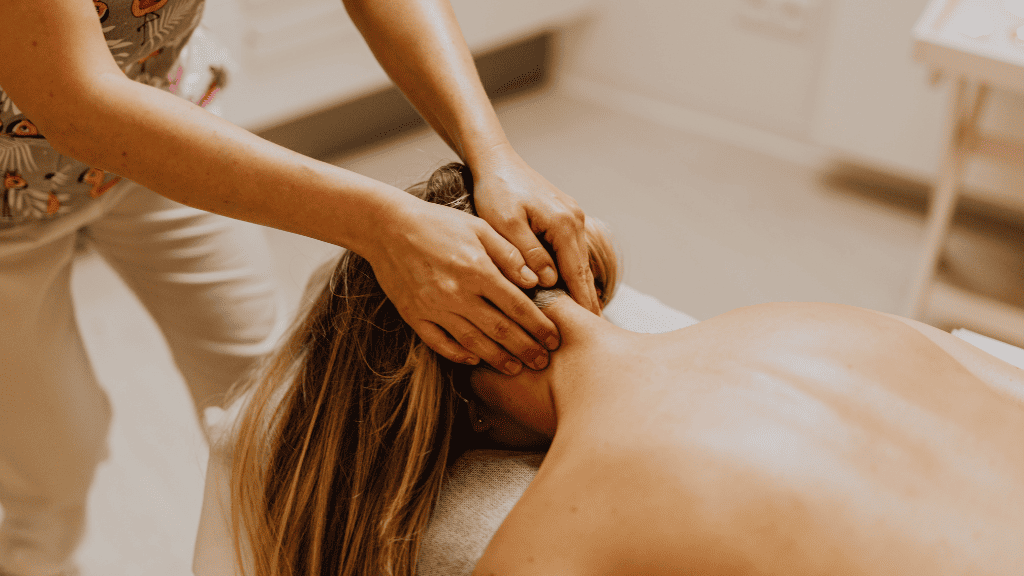
The key word here is “gentle.” Many people expect lymphatic drainage to feel similar to a relaxing massage, but it’s actually quite different. While both use light touch, lymphatic drainage uses very specific, slow, rhythmic movements that follow your lymphatic pathways—not the flowing strokes of relaxation massage. Moreover, when performed correctly by a certified professional, it should feel therapeutic and purposeful—never painful or aggressive.
Understanding Your Body's Healing Process: Why Improper Techniques Cause Additional Harm
To truly understand why these red flags matter so much, you need to understand what’s actually happening inside your body during recovery. Additionally, this knowledge will help you recognize why improper techniques don’t just feel wrong—they can actively set back your healing.
A Simple Way to Understand Your Healing Body
Imagine you have a serious burn on your skin. While that skin is healing, it’s sensitive, inflamed, and actively working to regenerate itself.
Now imagine someone offering to “help” your burn heal faster by:
- Pressing hard on it
- Rubbing it roughly and quickly
- Not asking about your burn’s severity or when it happened
- Promising it will be completely healed in one session
- Using dirty hands or tools
- Adding multiple aggressive treatments at once
- Attempting to peel or open the healing skin
You would never allow this, right? The damage would be obvious and immediate.
Your post-surgical body is experiencing the same vulnerable healing process—you just can’t see it as clearly because it’s happening beneath the surface. The tissues, vessels, and lymphatic pathways that were affected during your procedure need the same gentle respect you would give to healing skin.
What Happens Inside Your Body After Each Procedure
Liposuction: Internal Remodeling
During the procedure: A cannula removes fat cells, body contours are reshaped, tissues need time to readapt, and your lymphatic system needs to rebuild its pathways.
Your body afterward is working to: Close the spaces where fat was removed, reconnect blood vessels and lymphatic channels, adapt to its new shape, and process and eliminate fluids naturally.
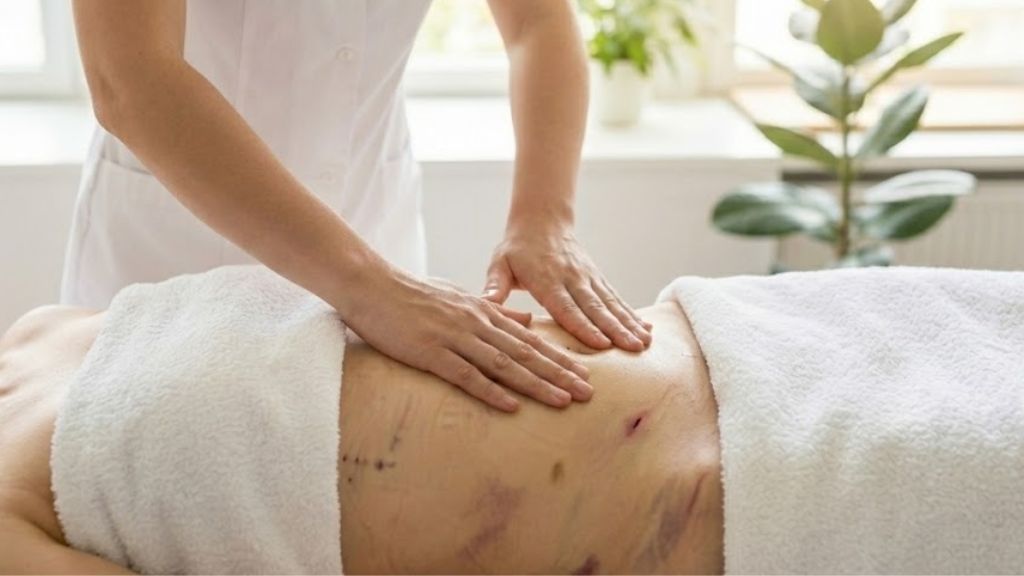
Why improper massage causes harm: Aggressive pressure on these healing tissues can rupture the delicate new connections your body is forming. Additionally, rough handling can create additional inflammation, delay fluid elimination, and increase the risk of fibrosis formation.
Tummy Tuck (Abdominoplastia): Significant Reconstruction
During the procedure: Skin and muscles are repositioned, excess tissue is removed, a new abdominal silhouette is created, and the abdominal wall is reconstructed.
Your body afterward is working to: Re-adhere layers of tissue, create new vascular connections, form necessary scar tissue, and adapt to new muscle tension.
Why improper massage causes harm: Excessive pressure can disrupt the critical process of tissue layers re-adhering. Moreover, aggressive techniques can compromise the new vascular connections, potentially causing seromas, delayed healing, or compromised results.
BBL (Brazilian Butt Lift): Dual Process
During the procedure: Liposuction occurs in donor areas, fat is processed and purified, carefully transferred to the gluteal area, and a new silhouette is sculpted.
Your body afterward is working to: Integrate the transferred fat, establish new blood supply to the transferred cells, heal multiple areas simultaneously, and adapt to volume changes.
Why improper massage causes harm: This procedure is particularly vulnerable because your body is healing multiple surgical sites at once. Additionally, aggressive pressure—especially on the buttocks during early recovery—can destroy transferred fat cells before they establish blood supply, directly compromising your results.
The Natural Phases of Your Recovery
Important Note: There are no exact universal timelines. Every person heals at their own pace. These are general phases your body goes through, but your individual experience may vary significantly. Additionally, this is precisely why therapists who promise specific results or rush through treatments are demonstrating a fundamental misunderstanding of the healing process.
Phase 1: Response and Protection
What’s happening: Your body is responding to the procedure with its natural protection and healing mechanisms.
Active processes: Protective inflammatory response, initiation of repair processes, formation of fibrin network, and immune system activation.
Why proper technique matters in this phase: This is when your tissues are most vulnerable. Aggressive massage during this phase can overwhelm your body’s protective response, increase inflammation rather than reduce it, and create additional trauma to already compromised tissue.
Phase 2: Reconstruction and Active Regeneration
What’s happening: Your body is actively rebuilding and reorganizing tissues.
Important processes: New collagen formation, vascular reconnection, nerve regeneration (tingling sensations), and tissue organization.
Why proper technique matters in this phase: Your body is building the foundation for your final results. Improper pressure or technique can disrupt collagen organization (leading to irregular texture), damage newly forming blood vessels, and create excessive fibrosis.
Phase 3: Maturation and Refinement
What’s happening: Your body is refining and maturing the results.
Finalization processes: Collagen maturation, smoothing of irregularities, contour stabilization, and complete sensitivity recovery.
Why proper technique matters in this phase: Even in later stages, aggressive techniques can create unnecessary inflammation that prolongs final results. Moreover, consistent, gentle lymphatic support helps ensure optimal tissue maturation.
Why Your Lymphatic System Needs Gentle Support
Your lymphatic system doesn’t have a “pump” like your heart does for your circulatory system. It depends on muscle movement and external manipulation to function optimally. After surgery:
The lymphatic vessels may be damaged or compromised, inflammation can block normal flow, immobility reduces natural drainage, and fluids tend to accumulate.
What happens with improper technique: Excessive pressure actually collapses these delicate lymphatic vessels, preventing proper drainage and potentially causing additional damage. Additionally, rough handling can create more inflammation—the opposite of what lymphatic drainage should accomplish.
What happens with proper technique: Professional lymphatic drainage acts as a “manual pump” for your lymphatic system, directing fluids toward the correct lymph nodes, significantly reducing recovery time, preventing complications like seromas and severe fibrosis, and dramatically improving your daily comfort.
10 Critical Red Flags in Recovery Lymphatic Drainage
Red Flag #1: Intense or Sharp Pain During Treatment
What You Should Know: Lymphatic drainage massage should never cause intense, sharp, or unbearable pain. Additionally, while you might feel some tenderness in areas where you have swelling or bruising, the treatment itself should be gentle and soothing.
Why This Matters: Your body is in a vulnerable healing state after surgery. Moreover, excessive pain during massage indicates that too much pressure is being applied, which can damage delicate healing tissues, rupture blood vessels, or cause additional inflammation.
What Proper Treatment Feels Like: You should experience a gentle, wave-like sensation as the therapist’s hands move across your skin. Furthermore, many clients find the treatment so relaxing that they fall asleep during sessions. If you’re wincing, tensing up, or feeling sharp pain, something is wrong.
Red Flag #2: Rough, Rushed, or Jerky Movements
What You Should Know: Proper lymphatic drainage requires slow, deliberate, rhythmic movements that follow the natural flow of your lymphatic system. Additionally, each stroke should be purposeful and controlled, never rushed or aggressive.
Why This Matters: Brusque or hurried movements don’t just feel unpleasant—they’re ineffective and potentially harmful. Moreover, lymphatic vessels are delicate structures that respond best to gentle, specific manipulation. Rough handling can actually damage these vessels and worsen swelling rather than reduce it.
What Proper Technique Looks Like: Your therapist should move methodically, with consistent pressure and timing. Furthermore, they should work in specific patterns that direct lymph fluid toward your lymph nodes. The pace should feel almost meditative, not rushed like they’re trying to finish quickly.
Red Flag #3: No Pre-Treatment Evaluation or Medical History Review
What You Should Know: Before touching your body, any responsible lymphatic drainage therapist should conduct a thorough evaluation. Additionally, this includes asking about your specific procedure, when it was performed, your surgeon’s instructions, current medications, and any complications you’ve experienced.
Why This Matters: Every surgery is different, and every person’s recovery is unique. Moreover, certain conditions—like active infection, blood clots, or recent complications—may make lymphatic drainage temporarily inappropriate or require modified techniques. A therapist who skips this step is essentially working blind.
What a Proper Evaluation Includes:
- Detailed questions about your surgical procedure and recovery timeline
- Review of any restrictions or special instructions from your surgeon
- Visual assessment of the treated areas before beginning
- Discussion of your goals and concerns for the session
- Clear communication about what to expect during and after treatment
Red Flag #4: Excessive Pressure or Deep Tissue Techniques
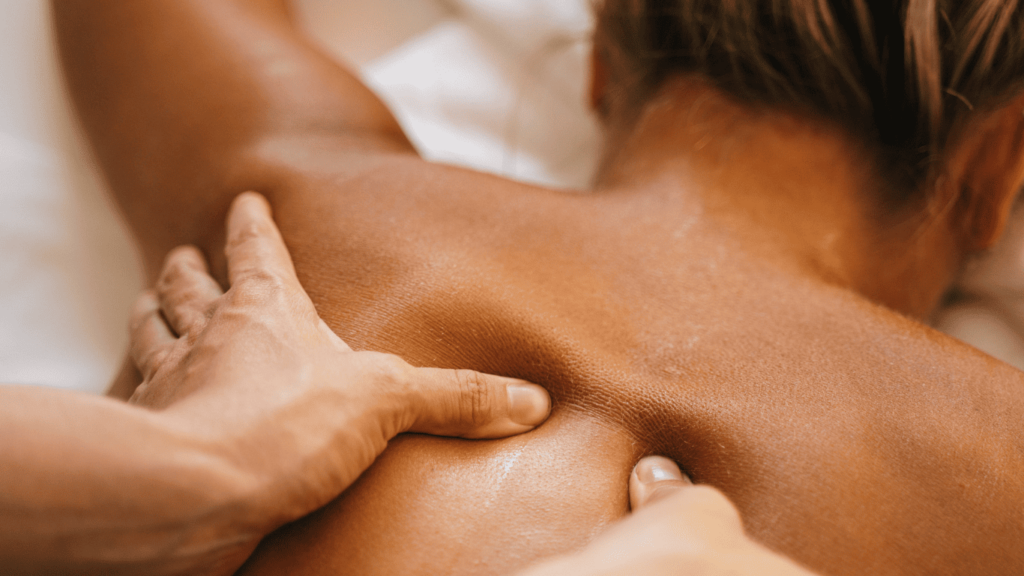
What You Should Know: Post-surgical lymphatic drainage is not deep tissue massage. Additionally, it requires very light pressure—often described as “the weight of a nickel” on the skin. If your therapist is using their body weight, elbows, or heavy-handed pressure, they’re doing it wrong.
Why This Matters: Your lymphatic vessels sit just beneath the skin’s surface. Moreover, excessive pressure actually collapses these delicate vessels, preventing proper drainage and potentially causing damage. Furthermore, aggressive pressure on healing surgical sites can rupture stitches, cause bleeding, or create additional trauma to already compromised tissue.
What Correct Pressure Feels Like: The touch should be gentle enough that you can completely relax under it. Additionally, you shouldn’t need to brace yourself or tense your muscles. The sensation should be soothing and comfortable throughout the entire session.
Red Flag #5: Lack of Professionalism, Empathy, or Respectful Care
What You Should Know: Professional care extends beyond technical skill. Additionally, your therapist should demonstrate genuine empathy, active listening, patience with your questions and concerns, and respect for your comfort level throughout the treatment.
Why This Matters: Post-surgical recovery is physically and emotionally vulnerable time. Moreover, you deserve care that honors both your body and your feelings. A therapist who seems rushed, dismissive, impatient, or cold creates additional stress that can actually impede your healing process. Furthermore, lack of professional boundaries or inappropriate behavior is never acceptable.
What Professional, Empathetic Care Looks Like:
- Your therapist listens carefully to your concerns without interrupting
- They explain what they’re doing and why throughout the session
- They regularly check in about your comfort level
- They adjust techniques based on your feedback
- They treat you with dignity, respect, and genuine kindness
- They maintain appropriate professional boundaries at all times
Red Flag #6: Poor Hygiene or Sanitation Practices
What You Should Know: Impeccable hygiene is non-negotiable when working with post-surgical clients. Additionally, your therapist should wash their hands before and after treatment, maintain short, clean nails, and ensure all equipment and linens are freshly sanitized.
Why This Matters: Your surgical incisions create openings where infection can enter your body. Moreover, your immune system is already working hard to heal surgical trauma. Exposure to bacteria or pathogens from unclean hands, equipment, or linens can lead to serious infections that compromise your recovery and overall health.
What Proper Hygiene Standards Include:
- Visible handwashing or use of hand sanitizer before touching you
- Clean, short fingernails without polish or extensions
- Fresh, laundered linens for each client
- Sanitized equipment and work surfaces
- Professional appearance and clean attire
- Adherence to Florida Department of Health standards for massage therapy establishments.
Red Flag #7: No Follow-Up or Continuity of Care Throughout Recovery
What You Should Know: Post-surgical lymphatic drainage isn’t a one-time treatment. Additionally, effective recovery requires consistent care with a therapist who tracks your progress, adjusts techniques as you heal, and maintains detailed records of your response to treatment over multiple sessions.
Why This Matters: Your body changes significantly week by week during recovery. Moreover, a therapist who doesn’t follow your progression can’t effectively adapt their approach to your evolving needs. Furthermore, continuity of care helps identify potential complications early and ensures that treatment remains appropriate as you move through different healing phases.
What Proper Follow-Up Care Includes:
- Scheduled series of treatments rather than isolated sessions
- Ongoing tracking and follow-up of your progress and response to therapy
- Adjustments to technique as swelling decreases and tissue heals
- Regular communication about what you’re experiencing between sessions
- Clear guidance on when you can transition or graduate from treatment
- Availability to answer questions during your recovery process
Red Flag #8: Unrealistic Promises or Guaranteed Results
What You Should Know: Be extremely wary of therapists who guarantee specific results, promise to eliminate all swelling in one session, or claim they can “fix” complications from your surgery. Additionally, honest professionals know that every body heals differently and that multiple factors affect recovery outcomes.
Why This Matters: Unrealistic promises indicate either inexperience or dishonesty. Moreover, they can create false expectations that lead to disappointment and poor decision-making. Furthermore, therapists who overpromise may use aggressive techniques to try to deliver impossible results, potentially harming you in the process.
It’s crucial to understand: every body is unique, and every healing process is unique. Your recovery timeline, swelling patterns, and results cannot—and should not—be compared to anyone else’s procedure or recovery. What worked quickly for one person may take longer for you, and that’s completely normal. Additionally, factors like your age, overall health, the extent of your procedure, and your body’s individual healing capacity all play significant roles in your recovery outcomes.
What Honest Communication Sounds Like:
- “Most clients see gradual improvement over several sessions”
- “Results vary based on individual factors like procedure type and healing capacity”
- “We’ll work together to support your body’s natural healing process”
- “Some swelling is normal and takes time to resolve completely”
- “If we notice anything concerning, we’ll recommend you contact your surgeon”
Red Flag #9: Over-Stimulation Through Unnecessary Additional Therapies
What You Should Know: Some providers may push multiple treatments or devices during a single session—such as combining lymphatic drainage with aggressive cupping, cavitation machines, wood therapy, or other modalities—claiming faster or better results. Additionally, while some complementary therapies can be beneficial when appropriately timed, over-stimulation during early recovery can be counterproductive and harmful.
Why This Matters: Your post-surgical body needs gentle, focused support—not an overwhelming barrage of stimulation. Moreover, layering too many treatments can stress your healing tissues, increase inflammation, and make it impossible to determine what’s actually helping versus harming. Furthermore, this approach often prioritizes revenue over your wellbeing.
What Appropriate Treatment Looks Like:
- Focus on specialized lymphatic drainage as the primary therapy
- Any additional modalities are introduced gradually and only when appropriate for your healing stage
- Clear explanation of why each technique is being used and its specific benefit
- Your therapist monitors your body’s response and adjusts accordingly
- Quality over quantity—one well-executed technique often beats multiple rushed treatments
Red Flag #10: Invasive Procedures or Practices Beyond Massage Therapy Scope
What You Should Know: This is perhaps the most serious red flag. In Florida, massage therapists are regulated under Florida Statutes, Chapter 480—the Massage Practice Act. Additionally, this law clearly defines that massage therapy involves manipulation of soft tissues of the body without penetrating the skin. Therefore, any massage therapist attempting to open incisions, perform injections, or conduct other invasive procedures is operating illegally and dangerously.
Important Exception: If a massage therapist also holds a valid nursing license, they may be legally qualified to perform certain invasive procedures within the scope of their nursing license. However, the critical issue here isn’t just about licensing—it’s about the environment where such procedures would be performed.
Why This Matters: According to Section 480.033(3), Florida Statutes, therapeutic massage specifically excludes any practice that penetrates the skin. Moreover, Section 480.047(1)(a) establishes that performing medical procedures without proper licensure is a violation.
However, even if a practitioner has both massage therapy and nursing licenses, the environment where lymphatic drainage is typically performed—whether in your home, a massage studio, or a non-clinical setting—is not a sterile medical environment suitable for opening or manipulating surgical incisions.
Surgical incisions require sterile conditions to prevent infection. Additionally, opening or manipulating incisions in a non-sterile environment—regardless of the practitioner’s qualifications—exposes you to serious risks including:
- Life-threatening infections
- Delayed wound healing
- Increased scarring
- Tissue damage
- Potential legal complications with your surgical outcome
Furthermore, allowing anyone to perform invasive procedures outside of a proper medical facility compromises your safety and may void warranties or guarantees from your surgeon.
What Licensed Massage Therapists Can and Cannot Do:
Permitted for Licensed Massage Therapists:
- Gentle external manipulation of soft tissues
- Surface-level techniques that support lymphatic drainage
- Use of massage tools that don’t penetrate the skin
Strictly Prohibited for Massage Therapists (unless also licensed as nurses working in appropriate medical settings):
- Opening or manipulating surgical incisions
- Any procedure that breaks the skin barrier
- Injections or invasive treatments of any kind
- Medical procedures requiring physician licensure
Critical Safety Point: Even if your practitioner holds nursing credentials in addition to massage therapy licensure, invasive procedures should only be performed in sterile medical environments—not in home settings, massage studios, or other non-clinical locations. Your safety depends on both proper credentials AND proper medical environment.
If a provider suggests or attempts any invasive procedure in a non-sterile setting, you have every right to decline and seek care elsewhere. Your safety and wellbeing should always come first.
Medical Warning Signs During Lymphatic Drainage Recovery
While identifying poor massage practices is important, it’s equally crucial to recognize signs that require medical intervention rather than massage therapy. Additionally, being honest and transparent about these warning signs is part of our commitment to your safety and wellbeing.
Contact your surgeon immediately if you experience:
- Fever above 100.4°F or chills
- Sudden increase in swelling, redness, or heat in treated areas
- Discharge, pus, or foul odor from incision sites
- Severe pain that worsens instead of improving
- Hard lumps or areas that feel abnormally firm
- Skin that appears purple, blue, or black
- Difficulty breathing or chest pain
- Signs of blood clots (leg pain, swelling, or redness)
These symptoms require medical evaluation, not massage therapy. Moreover, a responsible therapist will recognize these signs and encourage you to contact your healthcare provider rather than proceeding with treatment.
Professional Recovery Lymphatic Drainage: What to Expect
Now that we’ve covered what to avoid, let’s paint a clear picture of what exceptional, professional care actually looks like. Additionally, this is the standard you should expect—and what we deliver at Kaya Varua Massage.
The Kaya Varua Massage Difference: Body and Soul Care
At Kaya Varua Massage, our name reflects our philosophy: “Kaya” means body in Sanskrit, and “Varua” means soul in Tahitian. Moreover, we believe that true healing requires caring for both. This isn’t just marketing—it’s how we approach every single client interaction.
Comprehensive Initial Consultation: Before your first session, we conduct a thorough intake that includes reviewing your surgical procedure, understanding your surgeon’s specific instructions, assessing your current healing status, and discussing your recovery goals and concerns. Additionally, we maintain open communication with your surgical team when appropriate.
Professional Assessment at Every Session: Each visit begins with a visual and gentle palpation assessment. Moreover, we document changes in swelling, tissue texture, and your overall progress. This continuity allows us to adapt our techniques precisely to your healing stage.
Gentle, Certified Techniques: Our therapists are certified in post-surgical lymphatic drainage with over 17 years of experience. Additionally, we use only gentle, appropriate pressure with slow, rhythmic movements that follow your body’s natural lymphatic pathways. Furthermore, our techniques are based on established protocols, not improvisation.
Empathetic, Personalized Attention: We listen—really listen—to your concerns, fears, and questions. Moreover, we understand that post-surgical recovery involves emotional challenges as well as physical ones. Therefore, we create a supportive environment where you feel heard, respected, and cared for throughout your healing journey.
Impeccable Hygiene Standards: We maintain the highest standards of cleanliness and sanitation. Additionally, all equipment is sanitized between clients, linens are freshly laundered, and we follow strict hand hygiene protocols. Your safety is never compromised.
Consistent Follow-Up Care: We don’t just provide isolated treatments. Moreover, we develop a comprehensive care plan with you, typically recommending a series of sessions during your critical healing period. Furthermore, we track your progress meticulously and adjust our approach as your body heals.
Honest, Realistic Communication: We never make promises we can’t keep. Additionally, we set realistic expectations about what lymphatic drainage can and cannot do. Moreover, if we notice anything concerning, we’re honest about it and encourage you to consult your surgeon.
Respect for Professional Boundaries: We work within our scope of practice as licensed massage therapists. Additionally, we never attempt invasive procedures or medical treatments. Furthermore, we maintain appropriate professional boundaries and treat every client with dignity and respect.
Mobile Convenience Without Compromise: We bring professional-quality care directly to your home in Broward County, Miami-Dade, and Palm Beach. Moreover, this eliminates the stress of travel during recovery while maintaining the same high standards you’d expect in a clinical setting. Learn more about the benefits of at-home massage therapy.
Connecting This to the Red Flags
Now you understand WHY each red flag matters:
- Intense pain during treatment = Your healing tissues are being traumatized further
- Rough, rushed movements = Lymphatic vessels are being collapsed rather than stimulated
- Excessive pressure = New vascular connections are being damaged
- No evaluation = The therapist doesn’t know your healing stage or specific needs
- Unrealistic promises = They don’t understand that every body heals uniquely
- Invasive procedures in non-sterile settings = Your open surgical sites are exposed to infection risk
Your Body Deserves Respect During Healing
Your body is performing remarkable work to heal from your procedure. Every cell is working toward your desired results. Additionally, proper lymphatic drainage supports this natural process—it doesn’t force it.
At Kaya Varua Massage, we approach every session with deep respect for what your body is accomplishing. We understand that our role is to support your natural healing process with gentle, professional techniques—never to rush, force, or compromise it.
This is why we take the time to evaluate your healing stage, use only gentle and appropriate pressure, adapt our techniques as your body progresses, and maintain the highest standards of professionalism and hygiene.
Your recovery is a journey, and you deserve a partner who understands and honors what your body is going through every step of the way.
Protecting Your Surgical Recovery with Quality Lymphatic Care
Your recovery is too important to leave to chance. Moreover, you’ve invested time, money, and courage into your surgical procedure—you deserve post-surgical care that honors that investment and supports your healing rather than compromising it.
By recognizing these 10 red flags, you’re now equipped to:
- Ask informed questions when researching lymphatic drainage providers
- Recognize warning signs during consultations or treatments
- Advocate for yourself if something doesn’t feel right
- Make confident decisions about who you trust with your recovery
Remember: you have the right to professional, safe, empathetic care. Additionally, you should never feel pressured to continue with a provider who raises any of these red flags. Your body, your recovery, your choice.
Safe Recovery Lymphatic Drainage in South Florida
At Kaya Varua Massage, we’re committed to providing the highest standard of post-surgical lymphatic drainage care in Broward County, Miami-Dade, and Palm Beach. Moreover, we believe that education and transparency build the trust necessary for effective healing partnerships.
Whether you’re preparing for surgery and want to understand what proper post-operative care looks like, or you’re currently in recovery and seeking a therapist who truly prioritizes your wellbeing, we’re here to help.
Learn more about our professional recovery lymphatic drainage services and discover how personalized, empathetic care delivered in the comfort of your home can transform your recovery experience. Additionally, explore our comprehensive guide to lymphatic massage for healing to understand more about this specialized therapy.
Have questions about your specific recovery situation? Contact us today for a consultation. Additionally, we’re happy to discuss your needs, answer your concerns, and help you make informed decisions about your post-surgical care.
Your recovery deserves the best. Moreover, you deserve to heal with dignity, comfort, and professional support every step of the way. That’s the Kaya Varua Massage promise—caring for your body and soul throughout your healing journey.
Serving Broward County, Miami-Dade, and Palm Beach with professional mobile lymphatic drainage therapy. Licensed, certified, and committed to your safe recovery.